Archives
- 2026-07
- 2026-06
- 2026-05
- 2026-04
- 2026-03
- 2026-02
- 2026-01
- 2025-12
- 2025-11
- 2025-10
- 2025-09
- 2025-04
- 2025-03
- 2025-02
- 2025-01
- 2024-12
- 2024-11
- 2024-10
- 2024-09
- 2024-08
- 2024-07
- 2024-06
- 2024-05
- 2024-04
- 2024-03
- 2024-02
- 2024-01
- 2023-12
- 2023-11
- 2023-10
- 2023-09
- 2023-08
- 2023-07
- 2023-06
- 2023-05
- 2023-04
- 2023-03
- 2023-02
- 2023-01
- 2022-12
- 2022-11
- 2022-10
- 2022-09
- 2022-08
- 2022-07
- 2022-06
- 2022-05
- 2022-04
- 2022-03
- 2022-02
- 2022-01
- 2021-12
- 2021-11
- 2021-10
- 2021-09
- 2021-08
- 2021-07
- 2021-06
- 2021-05
- 2021-04
- 2021-03
- 2021-02
- 2021-01
- 2020-12
- 2020-11
- 2020-10
- 2020-09
- 2020-08
- 2020-07
- 2020-06
- 2020-05
- 2020-04
- 2020-03
- 2020-02
- 2020-01
- 2019-12
- 2019-11
- 2019-10
- 2019-09
- 2019-08
- 2019-07
- 2019-06
- 2019-05
- 2019-04
- 2018-07
-
Estrogens Definition and history The term
2020-07-22
Estrogens: Definition and history The term “estrogens” refers to a group of female hormones, including estrone, estradiol, estriol, and estretrol (Fig. 1). Chemically, estrogens belong to the family of organic compounds known as steroids. As such, their core structure is composed of 17 carbon-carbo
-
br Diverse functions of ERK pathway Same as the
2020-07-22
Diverse functions of ERK pathway Same as the other MAPK cascades, the ERK pathway is activated by several extracellular stimuli and different internal routes. ERK vitally tunes the function of various substrates in all cellular components; the nucleus, cytoplasm, membranes and the cytoskeleton. E
-
A prominent example of such enzyme
2020-07-22
A prominent example of such enzyme is the proteasome, a highly promising target not only in cancer, but also in inflammatory and autoimmune diseases. Circulating proteasomes and respective anti-proteasome autoantibodies were detected in serum samples from patients with autoimmune diseases such as mu
-
Instead of receptor interaction or GT activity we focused
2020-07-22
Instead of receptor interaction or GT activity, we focused on the CPD and autoprocessing. The CPDs from the 2 toxins are highly homologous: each cysteine protease targets an intramolecular substrate and mediates InsP6-induced autoprocessing to release the GTD into host cytosol.40, 41 However, TcdB i
-
Several models show the MAPK pathway involving p
2020-07-22
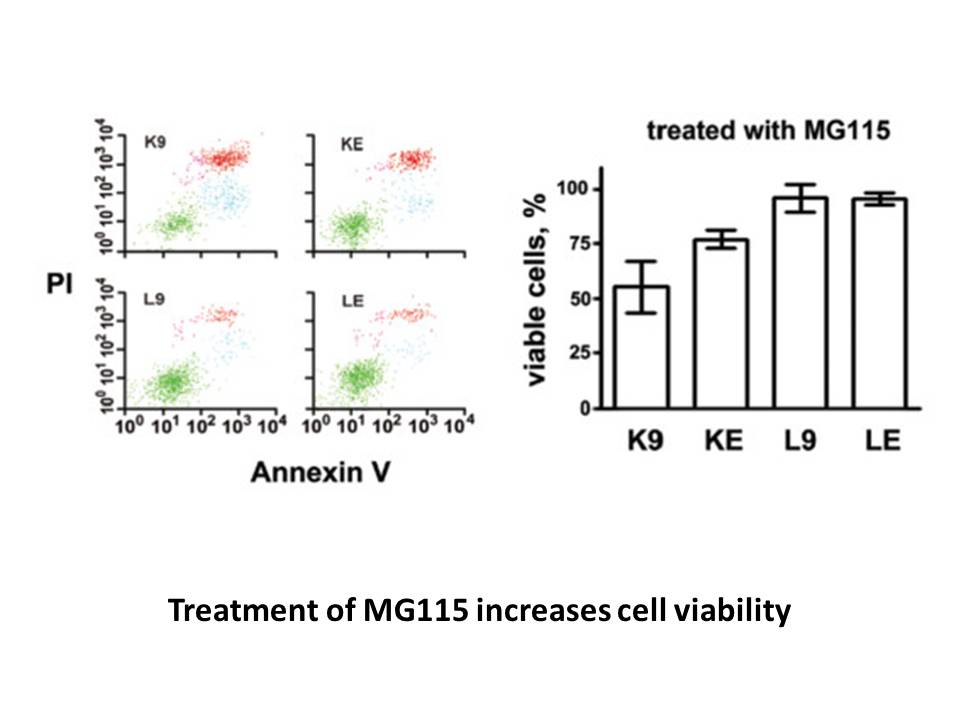
Several models show the MAPK pathway involving p38 as the CPI-169 pathway in pro-inflammatory responses, with the ERK pathway involvement primarily devoted to cell growth and differentiation events (Lai et al., 2001, Widmann et al., 1999). The results of the current study would contradict those mode
-
br STAR Methods br Acknowledgments
2020-07-22
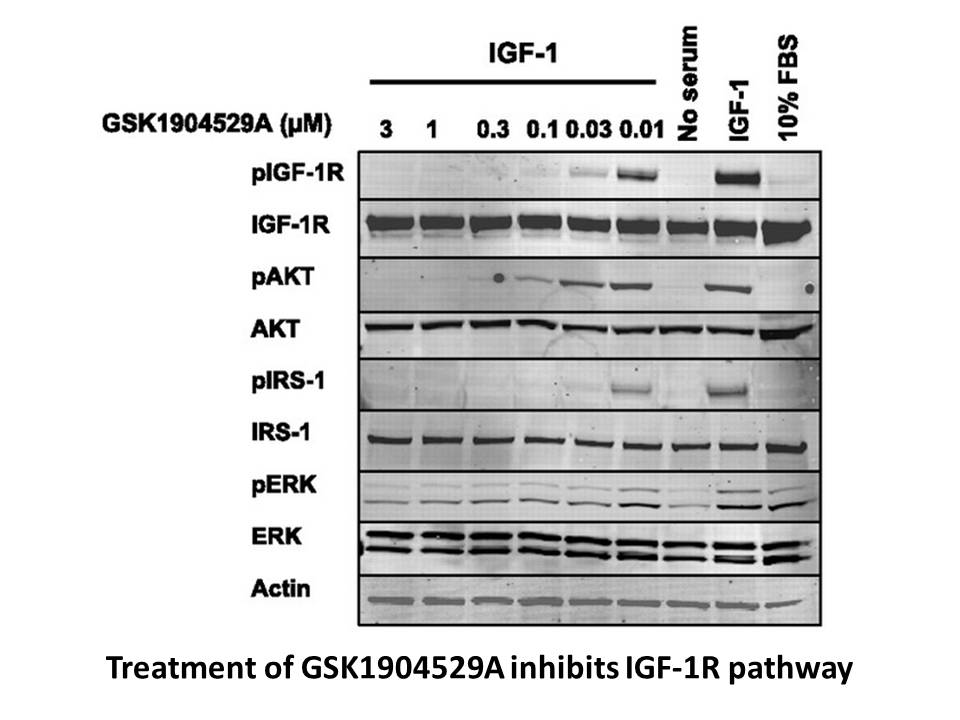
STAR★Methods Acknowledgments We thank members of R.L. lab and F. Schweisguth for critical reading of the manuscript. We are also grateful to F. Janody, M. Miura, C. Bökel, H.D. Ryoo, G. Jiménez, the Bloomington Drosophila Stock Center, the Drosophila Genetic Resource Center, the Vienna Drosoph
-
In the present study we combined activity based
2020-07-21
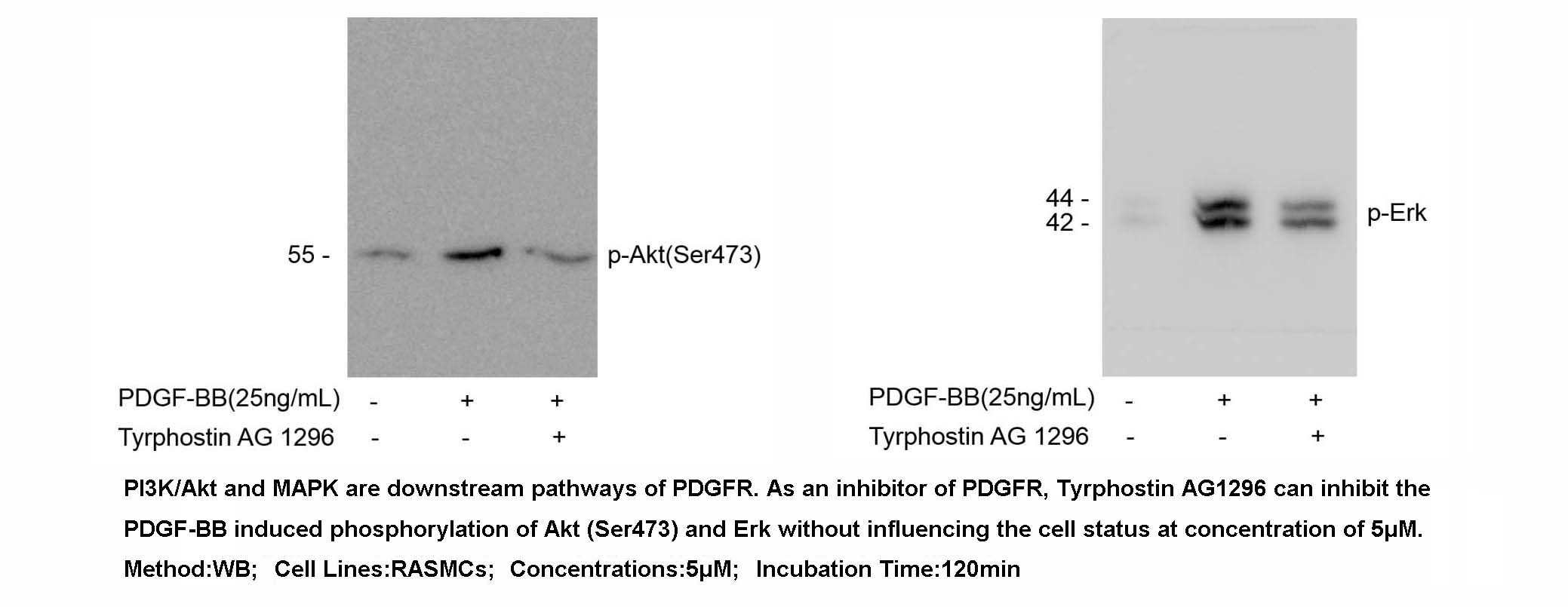
In the present study, we combined activity-based protein profiling, biochemical and genetic approaches to identify the PLCPs involved in the sphingolipid pathway leading to plant PCD. By using Arabidopsis neuropeptide receptors and leaves, we demonstrate that this sub-class of plant proteases is ac
-
Quinacrine hydrochloride hydrate br Funding This work was su
2020-07-21
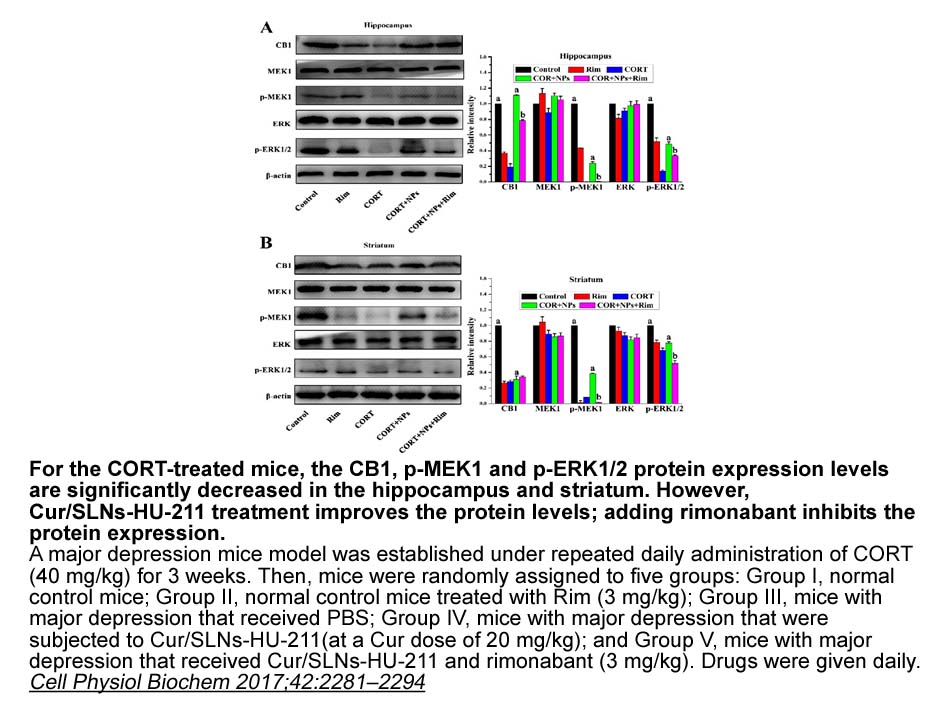
Funding This work was supported by grants to A.S. from the Swedish Cancer Foundation, Sweden (Grant number: CAN, 2015/637), the Swedish Medical Council, Sweden (Grant number: 2017- 01274), the Foundations at Skåne University Hospital, Sweden and to KB, SRS, NC, BCS, and SS from the Royal Physiogr
-
In summary these findings show that the knockdown of tra
2020-07-21
In summary, these findings show that the knockdown of tra2 in the Drosophila fat body results in an increased triglyceride phenotype, which could be explained in part by altered splicing of the gene coding for the lipid breakdown enzyme, CPT1. These findings are consistent with previous studies anal
-
prolyl hydroxylase Our primary research question is
2020-07-21
Our primary research question is that of the comparative efficacy of accelerated and traditional accounting programs as manifest by success on the CPA exam. We recognize that due to a number of personal and career decisions, not all of those qualified from any of our programs will attempt the CPA ex
-
br Conflicts of interest br Acknowledgments This research wa
2020-07-21

Conflicts of interest Acknowledgments This research was supported by the Basic Science Research Program through the National Research Foundation of Korea funded by the Ministry of Science, ICT and Future Planning (NRF-2015R1A2A2A01004593). Introduction Resistance to Inhibitors of Cholinest
-
During the first year of
2020-07-21
During the first year of life, there was no interaction between cholesterol precursors and cholestanol, suggesting that cholesterol homeostasis was not yet developed. From the age of 1 year, cholesterol homeostasis could be considered intact. According to Fig. 1, cholesterol CP-673451 prevailed cho
-
In the horse oviduct the EP receptor was most strongly
2020-07-21
In the horse oviduct, the EP2 receptor was most strongly expressed in epithelial TH-302 particularly in nonciliated (secretory) epithelial cells as evidenced by IHC. Furthermore, relative amount of EP2 mRNA was greater in the ampulla than in the isthmus, although this likely reflects differences in
-
Downregulation of tumor suppressors is a major factor that
2020-07-21
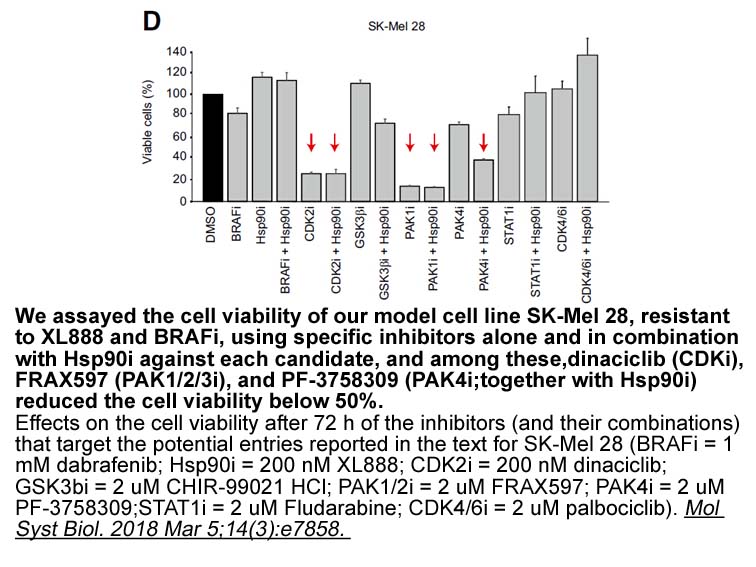
Downregulation of tumor suppressors is a major factor that leads to tumorigenesis. Phosphatase and tensin homolog deleted on chromosome 10 (PTEN), a common tumor suppressor, the trans-isomer of which is often downregulated or even absent in the majority of human cancers, functions as a phosphatase t
-
Protease Inhibitor Library An important role for the precurs
2020-07-21
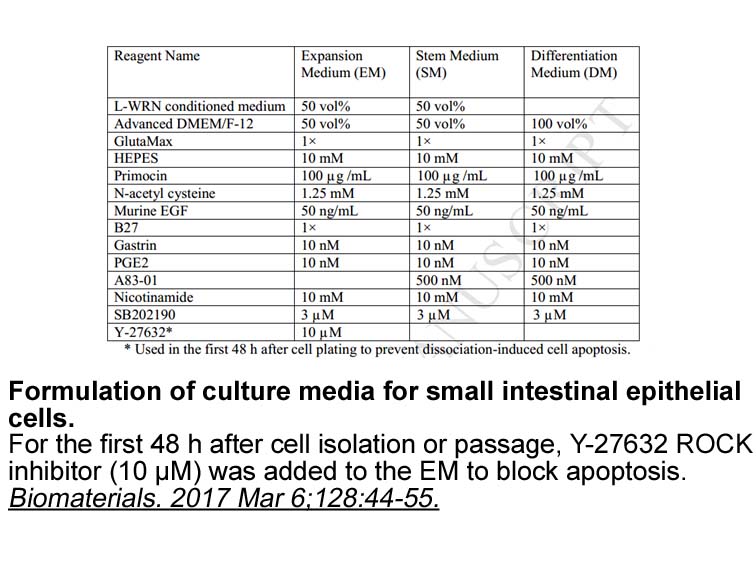
An important role for the precursor molecule of the main EBI2 ligand, 25-OHC, in the inhibition of inflammation was recently shown. 25-OHC was demonstrated to inhibit inflammasome induction in mouse macrophages [28]. Inflammasome assemblies are the sites of caspase 1 activation and lead to the gener
16622 records 868/1109 page Previous Next First page 上5页 866867868869870 下5页 Last page