Archives
- 2026-07
- 2026-06
- 2026-05
- 2026-04
- 2026-03
- 2026-02
- 2026-01
- 2025-12
- 2025-11
- 2025-10
- 2025-09
- 2025-04
- 2025-03
- 2025-02
- 2025-01
- 2024-12
- 2024-11
- 2024-10
- 2024-09
- 2024-08
- 2024-07
- 2024-06
- 2024-05
- 2024-04
- 2024-03
- 2024-02
- 2024-01
- 2023-12
- 2023-11
- 2023-10
- 2023-09
- 2023-08
- 2023-07
- 2023-06
- 2023-05
- 2023-04
- 2023-03
- 2023-02
- 2023-01
- 2022-12
- 2022-11
- 2022-10
- 2022-09
- 2022-08
- 2022-07
- 2022-06
- 2022-05
- 2022-04
- 2022-03
- 2022-02
- 2022-01
- 2021-12
- 2021-11
- 2021-10
- 2021-09
- 2021-08
- 2021-07
- 2021-06
- 2021-05
- 2021-04
- 2021-03
- 2021-02
- 2021-01
- 2020-12
- 2020-11
- 2020-10
- 2020-09
- 2020-08
- 2020-07
- 2020-06
- 2020-05
- 2020-04
- 2020-03
- 2020-02
- 2020-01
- 2019-12
- 2019-11
- 2019-10
- 2019-09
- 2019-08
- 2019-07
- 2019-06
- 2019-05
- 2019-04
- 2018-07
-
Receptor guanylyl cyclases play essential roles
2021-09-11
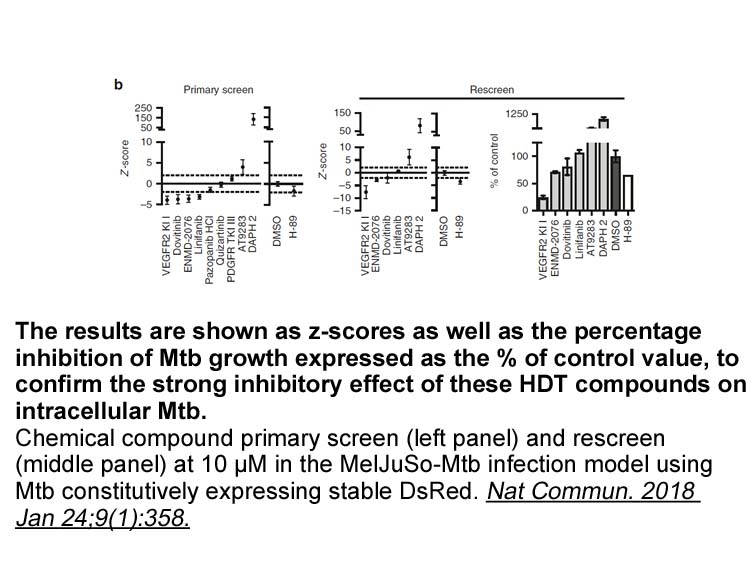
Receptor guanylyl cyclases play essential roles in cardiovascular and gastrointestinal (patho-)physiology, reproduction biology, cell proliferation, bone growth and sensory signal transduction and, therefore, are important pharmacological targets. Accordingly, the receptor guanylyl cyclase agonists
-
br Concluding remarks Several orphan GPCRs have expression p
2021-09-11
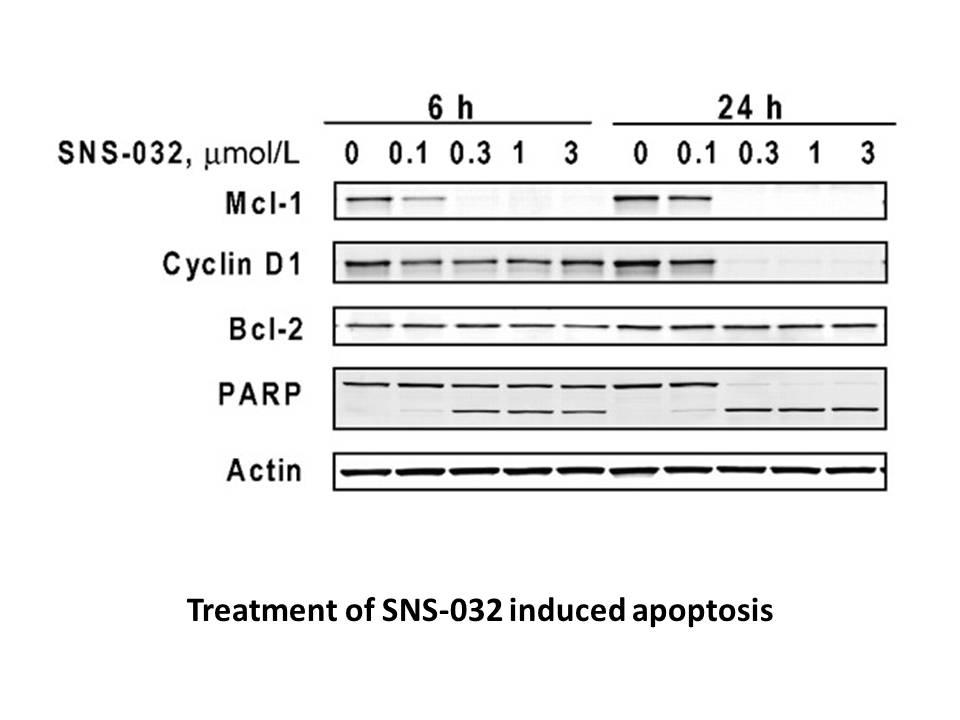
Concluding remarks Several orphan GPCRs have expression profiles that indicate they are worthy of consideration as therapeutic targets. This view can be supported via various transgenic techniques, and it would be interesting to have wide-ranging phenotypic information on GPR35 knockout mice. Bas
-
br Conflict of Interest Both GM and
2021-09-11
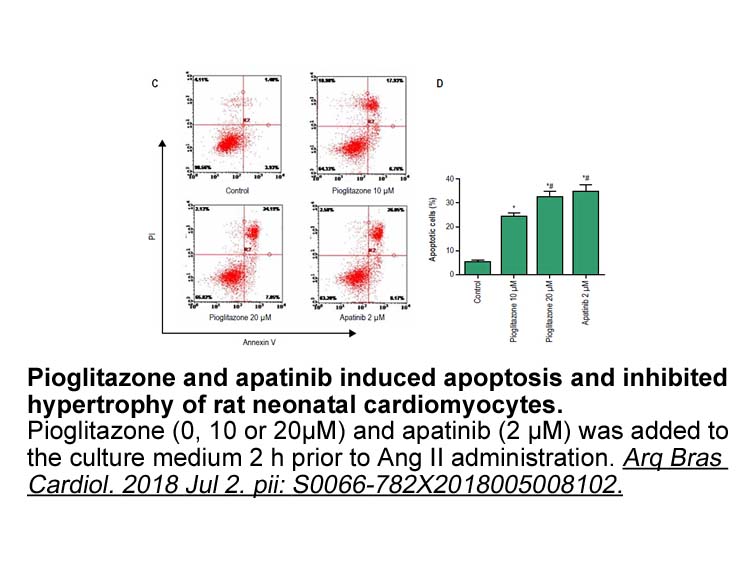
Conflict of Interest Both GM and BDH are shareholders in Caldan Therapeutics, a company exploring potential novel treatments for type 2 diabetes. Acknowledgments Work described herein was supported by Biotechnology and Biological Sciences Research Council [grant BB/K019864/1)] (to GM) and [gr
-
Adenosine triphosphate ATP is thought to
2021-09-11
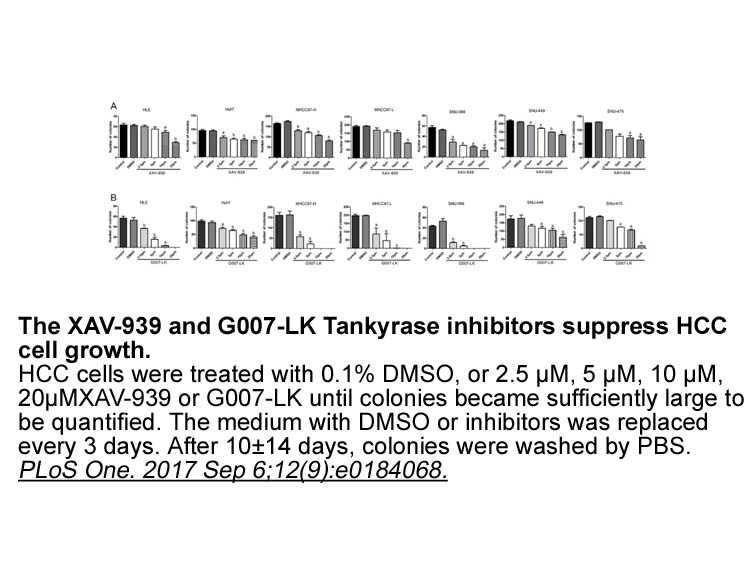
Adenosine triphosphate (ATP) is thought to be a crucial molecule in acute pain signaling in the DRG, as well as in the development and maintenance of chronic pain (Burnstock, 2009, Burnstock, 2013, Burnstock, 2014, Chizh and Illes, 2001). Extracellular ATP activates the ionotropic P2X receptors (Bur
-
Obestatin increased GnRH mRNA expression in the POA being
2021-09-11
Obestatin increased GnRH mRNA expression in the POA, being the main place of GnRH synthesis (Goodman, 2015). Simultaneously, obestatin also caused a decrease in the GnRH mRNA expression in ME, without affecting the level of this peptide mRNA in AHA. A lack of differences observed in the mRNA level i
-
However no reviews was focused
2021-09-11
However, no reviews was focused on all the glutamate heteroreceptor complexes and how to understand why some were formed and not others in the glutamate synapses and their extrasynaptic regions. These receptor complexes are present on the glutamate nerve terminals and the dendritic spines on which t
-
In this study for the first time
2021-09-11
In this study, for the first time: 1) the electrochemical glutamate oxidase-based biosensor was optimized for the determination of low micromolar glutamate concentrations; 2) the algorithm of the analysis of exocytotic and transporter–mediated glutamate release was developed; 3) the comparative anal
-
br Materials and methods br Results br
2021-09-11
Materials and methods Results Discussion The glucose transporter GLUT1 can be acutely activated or inhibited in L929 fibroblast Bicalutamide sale by a wide variety of reagents or nutrient conditions [[9], [10], [11], [12],36,50]. This abrupt change in the activity of GLUT1 occurs within min
-
br GluR A knockout mice Genetically modified adult
2021-09-11
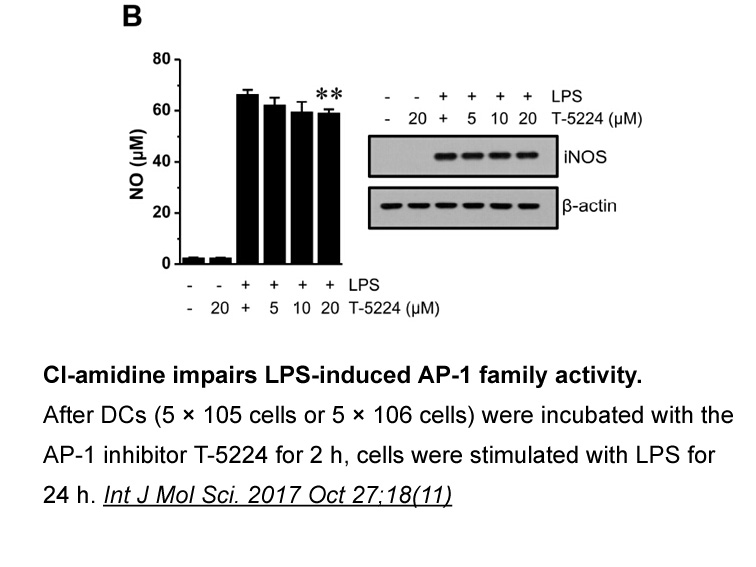
GluR-A knockout mice Genetically modified, adult mice lacking the GluR-A AMPA receptor subunit exhibit fast synaptic transmission in the hippocampus, mediated by the receptors formed from the remaining AMPA receptor subunits GluR-B and GluR-C (Sommer et al., 1991), but are deficient in a rapidly
-
Expression and translocation of GLUT are regulated by
2021-09-11
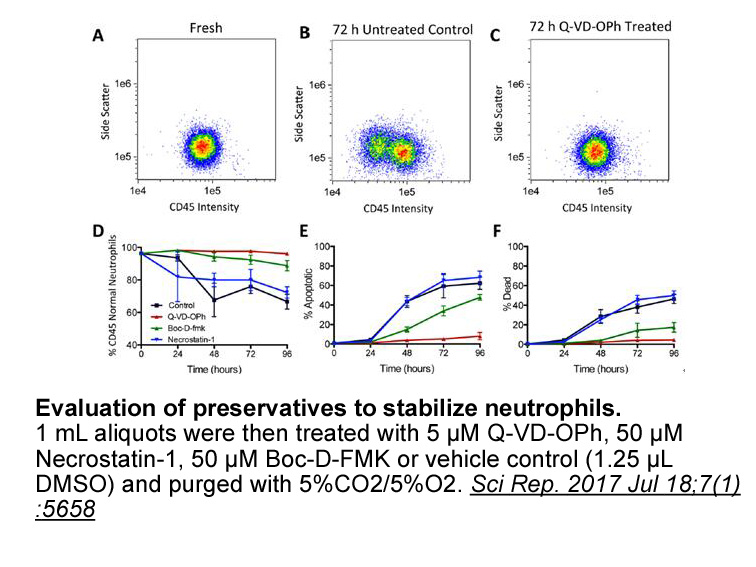
Expression and translocation of GLUT4 are regulated by various mechanisms including protein kinase C isoforms (PKCs) and mitogen-activated protein kinase (MAPK) signals [22], [23], but the real mechanism that statins alter expression and function of GLUT4 has not been fully identified. It is general
-
Although most of the incretin
2021-09-11
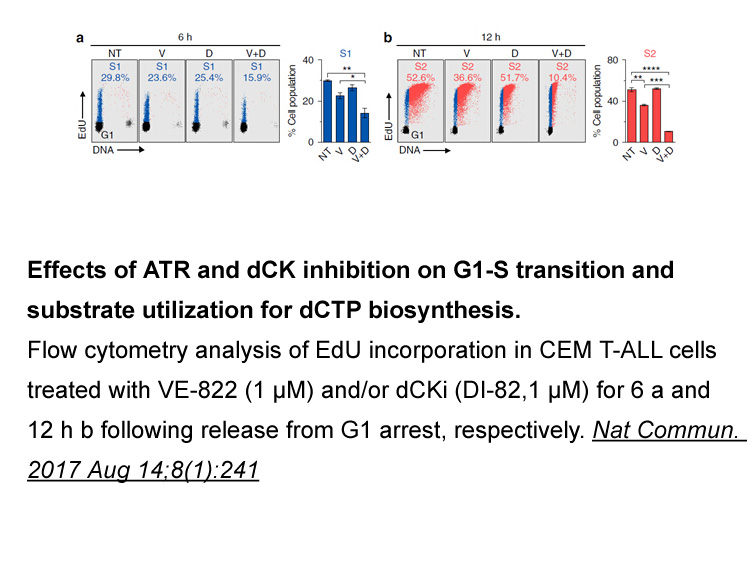
Although most of the incretin effects on 1-Azakenpaullone mg metabolism can be secondary to their action on insulin/glucagon secretion, some evidence strongly suggests that they could also act directly on liver glucose utilization and production [4], [13], [22], [27], [34], [44]. Supporting this co
-
In mammals a major physiological role of the GHSR
2021-09-11

In mammals, a major physiological role of the GHSR gene appears to be in regulating food intake and energy homeostasis by partaking in the neuronal mechanisms involving neuropeptide Y and agouti-related protein (Nakazato et al., 2001, Chen et al., 2017). In our study, determination of the abundance
-
TAE684 The suboptimal trypsin selectivity profile of DPC
2021-09-10
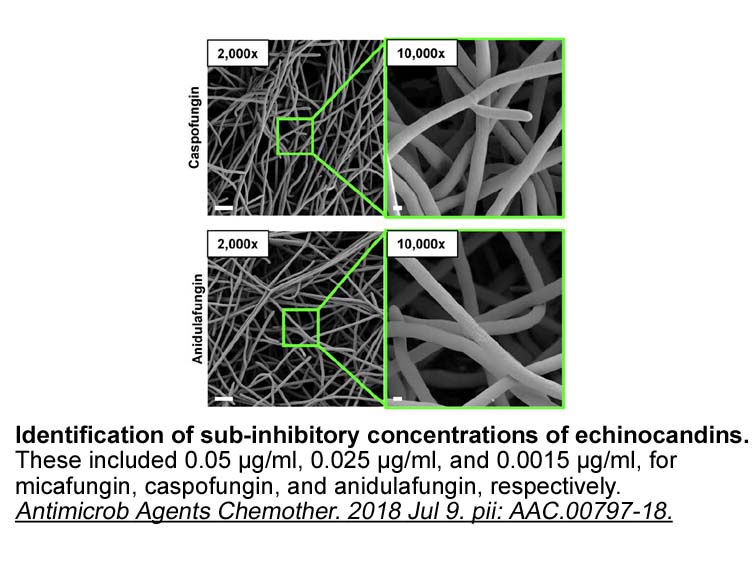
The suboptimal trypsin selectivity profile of DPC423 prompted us to investigate additional P moieties for potency and selectivity. Glycinamide P () showed low nanomolar binding affinity against fXa which suggested that this P moiety sits deeper into the S pocket of fXa. To further elaborate on this
-
Although unexpected based on our
2021-09-10

Although unexpected based on our predictions, low baseline and post-stress cortisol being associated with high anxiety has been previously documented in both clinical and healthy populations of humans (Beaton et al., 2006; Jezova et al., 2004; Shirotsuki et al., 2009; Vingerhoets et al., 1996), and
-
The components of the SAGA complex including
2021-09-10
The components of the SAGA complex including Gcn5 have recently been found to be involved in regulating pathways that are required for development and virulence in different species under the environmental stresses, around 10% of S. cerevisiae genes are activated by the transcriptional coactivator S
16618 records 645/1108 page Previous Next First page 上5页 641642643644645 下5页 Last page